The future of reading
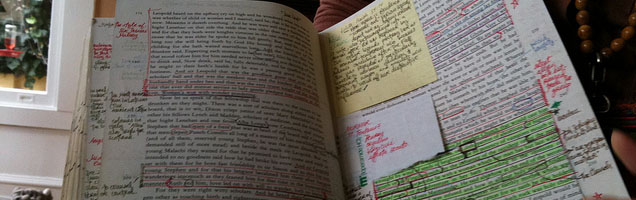
New reading devices might not change the face of literature, but they will create readers’ communities. According to Readmill, books have a future and the future is digital
Literature is a strange form of art: the art behind all arts, it rests inscribed in every other art discipline, laying the foundations of what we know as the arts today. The literary concepts such as “narrative”, “discourse” and “voice” have been widely deployed in various art practices from theatre and film to music, contemporary art and new media. Literature is the driving force of culture and yet, it seems there is nothing more conservative than putting words on paper. The very form of writing has not changed since its origins, right?
If you observe what stands for a piece of music today and how it is produced, it is radically different from what it was a mere hundred years a go. Same goes for virtually any other art discipline. From Goya to Malevich to Pollock to Brice Marden, from John Ford to Chris Cunningham, from Callicrates to Calatrava, there is a clear line of transformation and development, if not always progress. But when it comes to writing, it seems we haven’t gotten much further from Plato, at least on the formal level. A couple of millennia later, your only tools are letter symbols set in a meaningful way, or else it’s not literature.
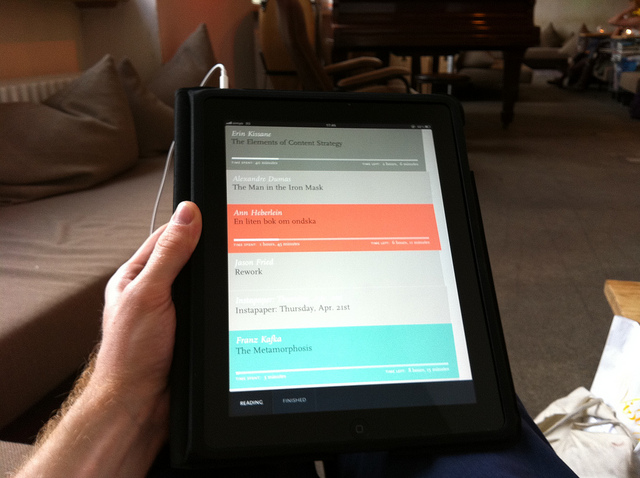
So what about the reader? If literature has remained ‘static’ due to its ‘technical limitations’, what can we say about the reading experience in the digital era. What has the digitalization of books and appearance of new reading devices brought to the reader? A bit of magic, like in the good old days?
Read the rest of this text over at BTurn Magazine...